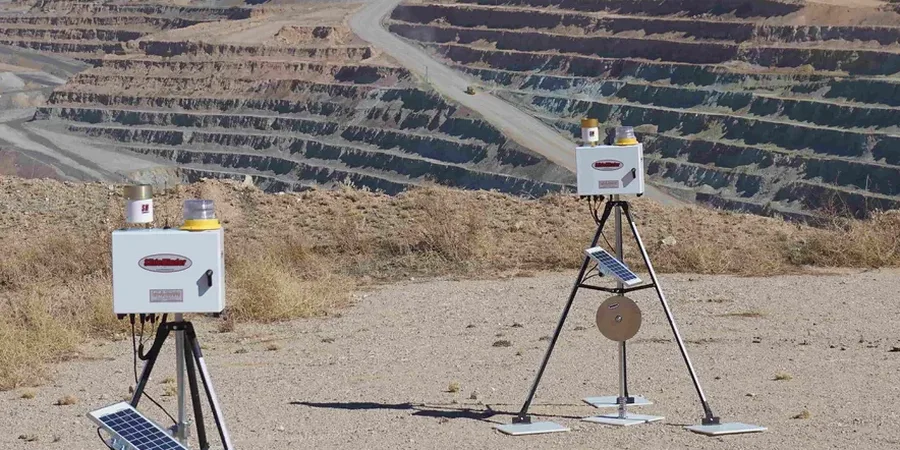
Barnsley’s industrial past left more than heritage buildings. It left a complex subsurface of backfilled shafts, colliery spoil and variable drift deposits. Any cut deeper than a metre can expose surprises that halt works overnight. We run geotechnical excavation monitoring programmes that track wall deflection, groundwater drawdown and vibration before problems escalate. Our team knows the Coal Authority reporting zones. We also know the local ground behaviour—from the Pennine Middle Coal Measures to the glacial till pockets near the Dearne Valley. This isn’t generic instrumentation. It’s monitoring built around Barnsley’s actual ground conditions. For deeper digs near the town centre we often combine monitoring with deep excavation analysis to verify temporary support designs against real-time soil movement.
Real-time ground data prevents costly stand-downs and keeps neighbours confident that their properties are protected.
Quick answers
What’s the typical cost for excavation monitoring on a Barnsley project?
Most small to medium digs in Barnsley fall between £710 and £1,750 for a basic monitoring setup covering inclinometers, piezometers and settlement points over a four-week period. Larger schemes with telemetry and more instruments cost more. We provide a fixed quote after reviewing your ground investigation report and site constraints.
How long does monitoring need to continue after excavation is complete?
We normally recommend monitoring until the permanent works are backfilled and ground conditions have stabilised. For deep digs near mine workings, Coal Authority guidance often requires continued readings for several months post-completion.
Can you install instruments in tight urban spaces?
Yes. We use compact drilling rigs and hand-installed piezometers that work in back gardens, narrow alleyways and between existing foundations. Access constraints are common in Barnsley’s terraced neighbourhoods and we plan the instrument layout around them.
What happens if a trigger threshold is breached?
The system sends an immediate alert to the designated project contacts. We then provide a rapid assessment and recommend actions—this could be slowing excavation, adjusting dewatering or reinforcing temporary supports. Having clear response protocols agreed before work starts keeps the project moving safely.