Roadway engineering in Barnsley encompasses the full spectrum of design, construction, and maintenance processes required to deliver safe, durable, and compliant carriageways across the borough. From major A-road upgrades to residential estate roads and industrial access routes, this category addresses the geotechnical and structural considerations that ensure pavements can withstand both traffic loading and the region's challenging ground conditions. The integration of flexible pavement design principles with local material availability often proves cost-effective, while rigid pavement design offers enhanced longevity for heavy goods vehicle corridors connecting to the M1 and surrounding distribution hubs.
Barnsley's geological setting directly influences roadway performance and failure mechanisms. Much of the borough sits on the Pennine Coal Measures Group, comprising interbedded sandstones, siltstones, and mudstones, with extensive historical mining activity leaving a legacy of shallow workings and made ground. The presence of colliery spoil and variable fill materials demands rigorous site investigation before pavement construction, as differential settlement and void migration can compromise even well-designed road structures. Additionally, the clay-rich glacial till deposits across the Dearne Valley exhibit moderate to high shrink-swell potential, requiring careful moisture control during earthworks to prevent volumetric changes that lead to cracking and rutting.
The regulatory framework governing roadway projects in Barnsley aligns with national standards while incorporating local highway authority requirements. All designs must comply with the Design Manual for Roads and Bridges (DMRB) and the Manual of Contract Documents for Highway Works (MCHW), specifically Series 600 for earthworks and Series 700 for road pavements. Barnsley Metropolitan Borough Council, as the local highway authority, enforces additional specifications through its adopted South Yorkshire Highway Design Guide, which stipulates minimum pavement thicknesses, material specifications, and construction tolerances. For schemes involving Section 38 or Section 278 agreements under the Highways Act 1980, designers must demonstrate compliance with both CD 225 (pavement foundation design) and CD 226 (new pavement design) from the DMRB.
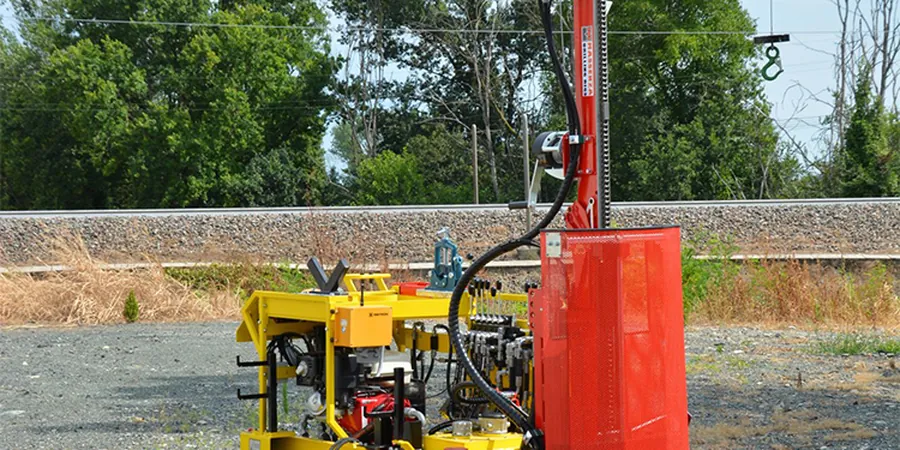
Projects requiring this category of expertise range from new highway construction for housing developments in areas like Royston and Dodworth to rehabilitation of deteriorating urban roads in Barnsley town centre. Industrial estates along the A635 and A628 corridors frequently demand CBR study for road design to characterise subgrade strength, particularly where weak alluvial soils or colliery fill are encountered. The assessment of California Bearing Ratio values becomes critical for determining appropriate capping layer thicknesses and foundation class, directly impacting pavement life and maintenance intervals. Other typical applications include roundabout design at congested junctions, bus lane construction, and the structural evaluation of existing carriageways for overlay or reconstruction.
Flexible pavements consist of bituminous layers over granular foundations and distribute loads through aggregate interlock, making them suitable for most residential and light-traffic roads. Rigid pavements use concrete slabs that span weaker subgrades via flexural strength, offering superior performance on heavy industrial routes and bus lanes. The choice depends on traffic loading, ground conditions, and maintenance considerations.
Historical coal mining has left extensive shallow workings, backfilled shafts, and colliery spoil across the borough. These conditions create risks of subsidence, void migration, and differential settlement that can fracture pavements. Designers must incorporate reinforced earthworks, geogrids, or thickened pavement layers, and conduct thorough desk studies and intrusive ground investigations before finalising roadway alignments.
Pavement design follows the Design Manual for Roads and Bridges (DMRB), specifically CD 225 and CD 226, alongside the Manual of Contract Documents for Highway Works (MCHW) Series 600 and 700. Barnsley Council's adoption of the South Yorkshire Highway Design Guide adds local specifications for materials, layer thicknesses, and construction tolerances for adoptable highways.
A California Bearing Ratio study quantifies subgrade strength, which directly determines the required pavement foundation thickness and capping layer design. Given Barnsley's variable ground conditions—ranging from weak alluvium in valley bottoms to stiff glacial till and colliery fill—CBR values dictate whether soil stabilisation, replacement, or thickened pavement structures are necessary to achieve the design life.